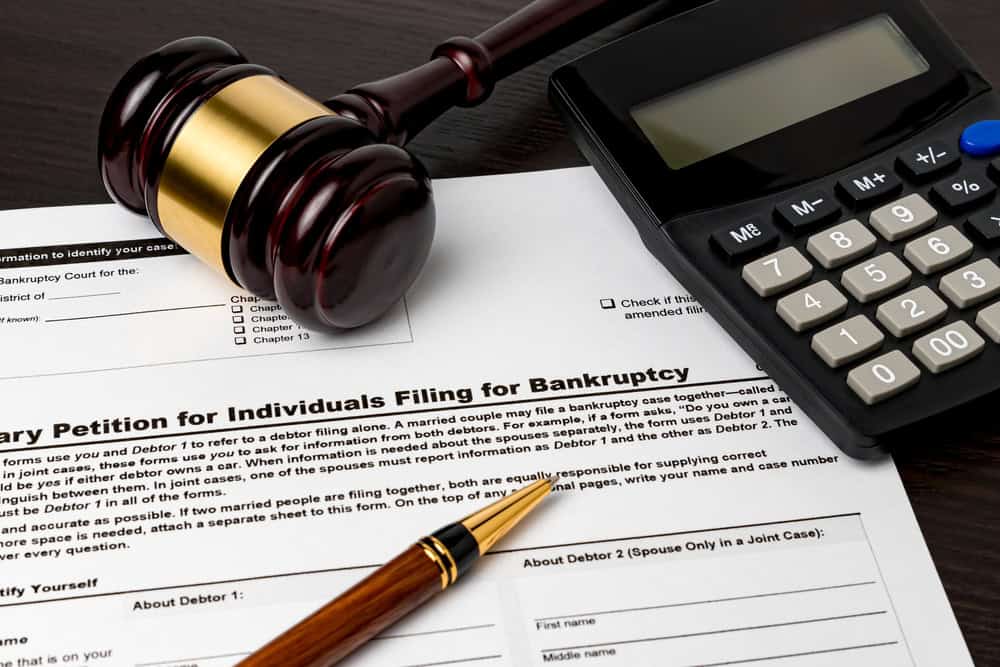
Facing foreclosure is overwhelming, but how bankruptcy stops foreclosure may be the legal tool that gives you a second chance. In this guide, you’ll discover how bankruptcy, especially Chapter 13, how bankruptcy stops foreclosure in its tracks, why it works under federal law, and when it’s the right choice for homeowners in Virginia, Maryland, and Washington, D.C. Whether you’re days away from auction or just falling behind, this article breaks down your options and how to regain control of your home and finances, illustrating how bankruptcy stops foreclosure.
How Bankruptcy Can Stop Foreclosure: A Closer Look
Understanding how bankruptcy stops foreclosure is essential for anyone facing this difficult situation. Bankruptcy not only halts foreclosure but also creates a pathway to financial recovery.
Filing for bankruptcy triggers an automatic stay, a powerful legal protection that stops foreclosure proceedings, collection calls, and legal notices immediately. Even if your foreclosure auction is scheduled for next week or tomorrow, filing for bankruptcy can legally freeze that process.
“Filing bankruptcy halts most foreclosure proceedings. Chapter 13 bankruptcy can prevent foreclosure altogether by letting you make up missed mortgage payments.” – Experian Source
While Chapter 7 may provide temporary relief, it doesn’t allow for catching up on past-due mortgage payments. Chapter 13, on the other hand, allows homeowners to repay arrears over time while staying in their homes.
Types of Bankruptcy: Chapter 7 vs. Chapter 13
Homeowners most often turn to two types of bankruptcy:
| Feature | Chapter 7 | Chapter 13 |
|---|---|---|
| Type | Liquidation | Reorganization |
| Stops Foreclosure? | Temporarily (Short-Term Relief) | Yes (Long-Term Strategy) |
| Keep Your Home? | Possibly (not guaranteed) | Usually Yes |
| Payment Plan? | No | Yes (3 to 5 Years) |
| Who It’s Best For | No income or way to repay debt | Have income and want to catch up |
| Credit Impact | Significant | Moderate to Significant |
While Chapter 7 offers short-term relief, it doesn’t help you catch up on past-due payments. Chapter 13 is usually the better fit for homeowners who want to stay in their homes and repay what they owe over time.
How Chapter 13 Bankruptcy Works to Stop Foreclosure
When you file Chapter 13 bankruptcy:
- The automatic stay immediately stops foreclosure, even if the sale is imminent.
- You submit a repayment plan to the bankruptcy court.
- This plan spans 3 to 5 years, allowing you to gradually pay missed mortgage payments.
- You continue your current mortgage payments during this period.
- As long as you comply with the plan, your lender cannot foreclose.
This process does not erase your mortgage; it restructures it under court protection to give you time and breathing room.
“Chapter 13 bankruptcy is often the better choice for homeowners who want to stop foreclosure and keep their homes.” – Upsolve Source
What to Expect After Filing Chapter 13 Bankruptcy
Week 1:
- File a bankruptcy petition.
- An automatic stay goes into effect.
- Foreclosure must stop immediately.
Weeks 2–4:
- Trustee assigned to the case.
- Submit your proposed repayment plan.
- Begin making a plan and mortgage payments.
Months 2–3:
- Attend confirmation hearing.
- If the plan is realistic, the court approves it.
Years 1–5:
- Make monthly payments under court protection.
- At plan completion, eligible debts are discharged, and your mortgage is current.
Is Filing Bankruptcy the Right Choice to Stop Foreclosure?
Key Benefits of Using Bankruptcy to Stop Foreclosure
✅ Immediate Legal Protection: The automatic stay stops foreclosure in its tracks.
✅ Catch Up Over Time: You don’t need to come up with a lump sum to stop foreclosure.
✅ Keep Your Home: Most people who file Chapter 13 are able to stay in their homes throughout the plan.
✅ Structure and Predictability: Your finances are reorganized into a manageable, court-approved plan.
✅ Protection from Other Creditors: The bankruptcy protects you from all collection efforts—not just your mortgage lender.
✅ Breathing Room to Make Decisions: Bankruptcy allows you to pause and regroup, rather than panic and lose your home.
Risks and Downsides to Be Aware Of
❌ Missed Payments Can Restart Foreclosure: If you fall behind on your repayment plan, your case may be dismissed—and foreclosure can restart.
❌ Credit Impact: Bankruptcy remains on your credit report for up to 7 years. However, the impact fades over time, and it’s still better than a foreclosure.
❌ Legal and Court Fees: There are attorney fees and filing costs involved.
❌ Not a Fit for Everyone: If your income is too low, or your debt is too high, you may not qualify for Chapter 13
“Chapter 13 is designed for people with a regular income who want to keep their property. It’s especially useful for stopping foreclosure and catching up on past-due mortgage payments.” – U.S. Courts Source
Of course, bankruptcy isn’t the only option available. Here’s how it stacks up against other foreclosure solutions:
Foreclosure Alternatives Compared
Option | Stops Foreclosure? | Keeps You in Home? | Credit Impact | Speed | Notes |
Chapter 13 | Moderate | Immediate | Best for structured repayment | ||
Loan Mod | Low to Moderate | Weeks to Months | Requires lender approval | ||
Reinstatement | Low | Immedaite | Requires full arrears upfront | ||
Short Sale | Moderate | Months | Avoids foreclosure, but you sell | ||
Cash Sale | Low | 7 to 21 Days | Quick solution if staying isn’t possible |
For many homeowners, bankruptcy offers the only legal option that both stops foreclosure and lets them stay in the home long-term.
Foreclosure Timelines in Virginia, Maryland & D.C.
Foreclosure Timelines by Region
The rules around foreclosure and bankruptcy are governed federally—but how fast foreclosure moves can depend on where you live:
| Region | Type | Timeline | Impact |
|---|---|---|---|
| Virginia | Non-Judicial | 60 to 90 days | MUST be filed quickly to stop sale |
| Maryland | Judicial | 120 to 180+ days | Court offers more time to file |
| Non-Judicial | cash_offer | 60 to 90 days | Filing early is advised |
Real Story: How Chapter 13 Helped a Virginia Homeowner Save Their House
To see how this works in real life, let’s examine the case of a homeowner in Virginia who used Chapter 13 to stop foreclosure and regain control.
Meet “Angela,” a homeowner in Richmond, VA. She fell behind on her mortgage after unexpected medical expenses and a job layoff. When the foreclosure notice arrived, Angela felt trapped, but she wasn’t out of options.
Working with a HUD-approved counselor and a bankruptcy attorney, Angela filed Chapter 13 bankruptcy. The automatic stay put an immediate stop to the foreclosure, and she was able to create a 5-year repayment plan.
Within months, she regained stability with her new job, kept her home, and protected her kids from having to move. Today, she’s two years into the plan, building credit, and finally breathing easier.
“Bankruptcy didn’t ruin my life; it gave me my life back,” she said.
Her story isn’t rare. We’ve seen dozens like it, and if you’re facing foreclosure, it may be your lifeline too.
Should You Speak to a Bankruptcy Attorney?
Yes. Bankruptcy is a legal strategy, so having the right representation is key. A good attorney can:
- Help you decide between Chapter 13 and other options
- Draft a repayment plan that works
- Represent you in court
- Ensure deadlines and paperwork are filed properly
If you can’t afford an attorney, you may file pro se (without representation) at your regional federal bankruptcy court, but it’s recommended to seek professional help.
Need help? Contact us for a free referral to a qualified attorney or HUD counselor near you.
Bankruptcy & Foreclosure FAQs
Have more foreclosure questions? Click here to view additional FAQs
Final Thoughts
Bankruptcy isn’t a sign of failure, it’s a legal solution for homeowners in distress. If foreclosure is looming, Chapter 13 could be your best option for staying in your home, catching up on debt, and getting a fresh start. The earlier you act, the more options you’ll have. We’re here to walk you through them, step by step.
We’re Here to Help
If you’re facing foreclosure or just want to understand your options, you’re not alone—and you don’t have to navigate it alone either. Call (800) 604-4550 or send us a message here to get confidential help from a real person who understands the system and your situation.

About the Author
Michael Allan is a licensed real estate agent, investor, and foreclosure specialist who provides real solutions—not just advice. Through StopForeclosureHelp.com, he helps homeowners explore creative financing options, cash-out offers, and traditional listings to avoid foreclosure, protect their equity, and move forward on their terms.