
Stop Foreclosure and Stay in Your Home
If you’re behind on mortgage payments and feeling the pressure, you’re not alone — and the truth is, you can take back control. Many homeowners across Virginia, Maryland, and Washington, D.C. have successfully avoided foreclosure and stayed in their homes. By understanding how to stop foreclosure and stay in your home, and with the right steps, you can too.
You’re here for a reason — because part of you already believes that keeping your home is possible. Let’s walk through the options together so you can decide what works best for your unique situation.
Option #1: Mortgage Reinstatement: How to Catch Up and Move Forward
Reinstating your mortgage means restoring it to good standing, and many homeowners are surprised to learn how achievable this option can be.
Here’s how to do it:
1. Call your lender and ask for a reinstatement quote — this simple step gives you clarity.
2. Review the total amount due, including past-due payments and fees.
3. Secure the funds from savings, family, or outside assistance.
4. Send the full payment before the foreclosure deadline — and breathe easier knowing your loan is back on track.
5. Request written confirmation for your peace of mind.
✅ Best for homeowners who’ve recovered financially and can pay the full past-due balance to stop foreclosure fast.
Read more: Understanding Mortgage Reinstatement: A Lifeline for Homeowners in VA, MD & DC
Option #2: Loan Modification: Reshape Your Loan to Fit Your Life
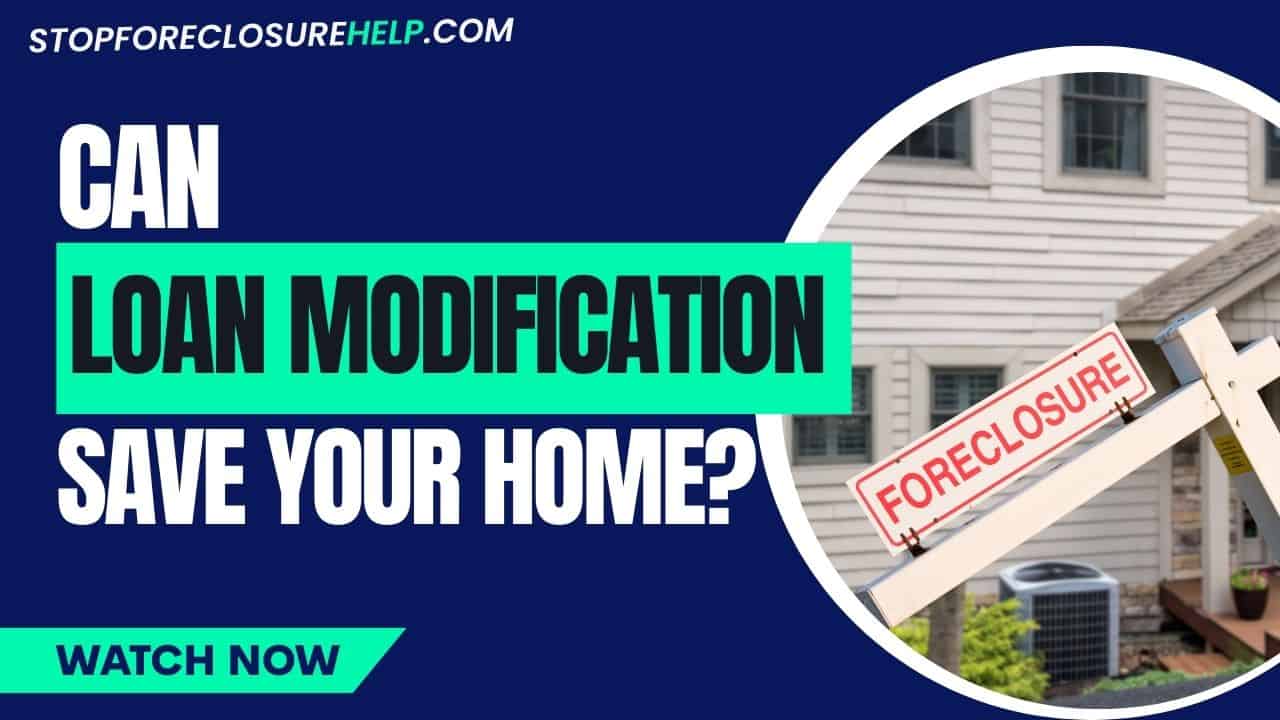
Sometimes the best way to keep your home is to change the terms of the loan. With a modification, you create a mortgage payment you can actually afford, long-term.
Take these steps now:
1. Call your lender’s loss mitigation department and request the modification packet.
2. Gather your documents: proof of income, expenses, hardship letter.
3. Submit everything at once to avoid delays — this shows commitment.
4. Follow up consistently and stay engaged — it puts you in a proactive position.
5. Review the offer carefully, then decide to move forward with clarity and control.
✅Ideal for homeowners with steady income who need a more affordable monthly payment to stay long-term.
Read more: Loan Modification: A Lifeline to Stop Foreclosure and Save Your Home
Option #3: Bankruptcy: A Legal Strategy to Stay in Your Home
When other paths have narrowed, bankruptcy can open a new door. Chapter 13 puts foreclosure on hold and creates a court-approved plan to stay in your home while managing your debt.
Here’s the path forward:
1. Speak with a trusted bankruptcy attorney — we can connect you confidentially.
2. Gather your financial info: mortgage details, income, debt, and expenses.
3. File for Chapter 13 and gain the immediate protection of the court.
4. File for Chapter 7 to help eliminate unsecured debt.
5. Follow the structured payment plan, knowing your home is legally shielded.
6. Complete the process and emerge stronger with a clean slate.
✅ Best for regular-income homeowners who need to stop foreclosure immediately and restructure debt under legal protection.
Read more: How Bankruptcy Stops Foreclosure (and Why It Works)
Option #4: Creative Financing: Stay in the Home You Love — Without the Loan
Imagine selling your home but continuing to live there while you regroup. In some cases, creative financing strategies like lease-back arrangements let you stay put without the burden of a traditional mortgage.
Here’s how it works:
1. We evaluate your situation confidentially to see if this is a fit.
2. You sell your home to a local investor under a fair and transparent agreement.
3. You lease the home back, often for 12–18 months.
4. You use this time to rebuild your finances, credit, and even prepare to buy again.
✅ Ideally suited for homeowners who want to stay in their home and need an alternative to traditional financing.
Read More: How Creative Financing Can Stop Foreclosure: 3 Proven Strategies That Work

HUD Counseling & Government Programs: Free Expert Help, Right at Your Fingertips
Sometimes the best first step is talking to someone who’s been there. HUD-approved housing counselors and local programs offer free, trusted advice — and often uncover solutions you didn’t know were available.
Additional resources available for help and advice:
1. Connect with a HUD-approved counselor — we’ll introduce you to someone local.
2. Review your complete picture — income, mortgage status, credit, etc.
3. Explore programs you may qualify for, like:
– VA Mortgage Relief
– MD Homeowner Assistance Fund
– DC Foreclosure Mediation
4. Take the first action, with support from someone who understands.

Compare Ways to Keep Your Home: Which Option Is Right for You?
Not sure which path to staying in your home makes the most sense? Use this simple comparison to understand how each option works, what’s required, and how quickly it can help. As you review, imagine which one puts you in the strongest position to breathe easier and stay where you belong.
Option | Keeps You in Home? | Increases Payment? | Needs Income? | Works Fast? |
Mortgage Reinstatement | (2 business days) | |||
Loan Modification | (30+ business days) | |||
Bankruptcy | (court-determined) | (2 business days) | ||
Creative Financing | (as renter) | (10+ business days) |
The Sooner You Act, the More Options You Have
You’ve already taken the hardest step — looking for answers. Now it’s time to move forward with someone who’s walked this road with others before you.